
On Moving Through the Heaviness, Together
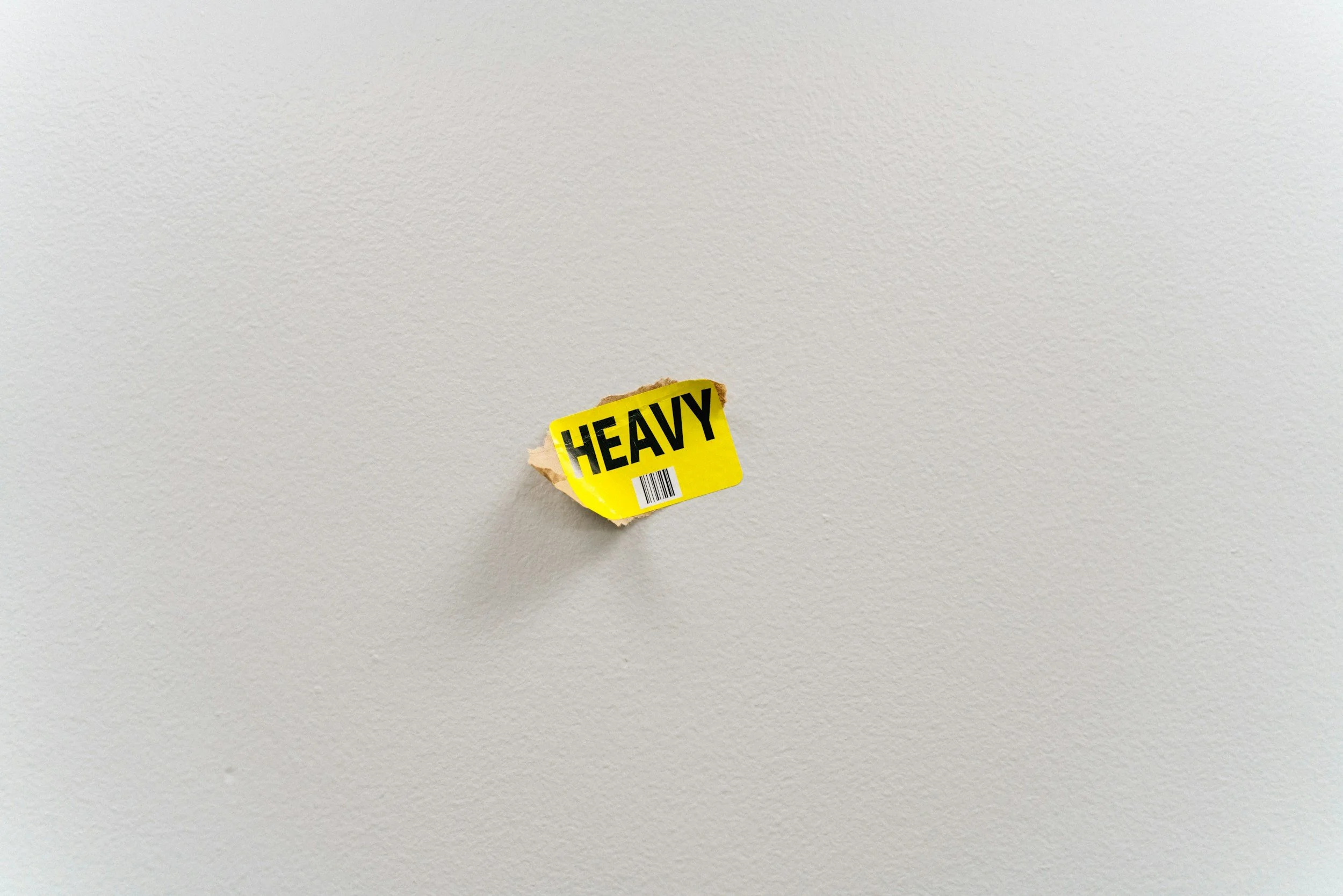
Holding the Weight of This Moment
As I sit down to write this, I notice the difficulty I have in focusing on anything other than what’s happening in our communities, in our country, in the world.
I feel this familiar pull to zoom out, an attempt to hold the entire picture at once, to say something big enough to encapsulate this moment. I also recognize that in this moment, I don’t think that is possible, and I think that is what I want to highlight today. Writing this is a reminder to myself and anyone reading that when things feel overwhelming, it can be easy to get stuck in the urge to think bigger and move quicker, and I hope this can be an invitation to slow down. To return to the here-and-now, to tend to our nervous systems before we can ask ourselves to do more, carry more.
Slowing down is not avoidance; it’s a necessary starting point. This is a form of resistance.
As the political and social climate continues to escalate, it feels impossible not feel the heaviness we are holding. It might show up as exhaustion, fear, sadness, grief, irritability, anger, disgust, anxiety, the list goes on and on. And it makes sense.
We are living through a time where we are being flooded with and forced to process endless ongoing threats, injustice, and uncertainty, without pause. Feeling the complexity of emotions during this time is not a personal failure, but rather a demonstration of a very real and human response to sustained trauma.
Before I continue, it’s important to say this clearly: the heaviness is real. You are not imagining it, and you are not weak for feeling it.
When the Urge is to Zoom Out
When things feel amped up and overwhelming, you might notice this urge to zoom out: What does this all mean? What will life look like in the next month(s)/year(s), and how will this impact our community? What is going to happen? How do we fix this?
However, our nervous system can’t start there. Regulating begins small. That might look like getting curious with what you're noticing happening in your body, in this exact moment:
Are you noticing you’re holding tension in a part of your body?
Are you clenching your jaw?
Is your breath shallow?
Is there any part of your body that feels neutral?
Remain curious, notice what is happening as you sit here.
These small moments, where we have a second to slow down, serve a purpose.
Maybe this looks like finding a comfortable position, placing your feet on the floor, feeling the ground under you, and connecting to your breath—checking in to see if your breathing has become faster or if you’ve been holding your breath? Or taking a moment outside, noticing the temperature of the air or the sounds that surround you.
I notice heaviness in what I am about to write; these aren’t ways to make the world less unjust. These are some ways to help your body survive living in it.
Why heaviness Isn’t Meant to Be Carried Alone
An unfortunate byproduct of overwhelm can be isolation, and this level of heaviness is not meant to be carried in isolation. Having a community to share the collective grief and pain can be an essential and effective way to regulate nervous systems. Having folks to hold the hurt collectively, without minimizing, dismissing, debating, or fixing, simply holding it has a profound impact.
Connection doesn’t erase the reality of what’s happening, but it is a reminder that we aren’t alone inside of it.
A Slower, More Sustainable Way Forward
When the world feels overwhelming, we might notice an urge to push harder and stay hyper-informed, leaving us constantly activated and exhausted. However, living in alignment with your values doesn’t require ignoring your basic human needs. This is when it is most important to honor those parts of ourselves.
In a system that benefits from constant urgency and emotional flooding, slowing down can feel wrong or even irresponsible. But our ability to pause, regulate, and think clearly is protective. It keeps us from being pushed to a place of panic or collapse. Choosing to slow down isn’t a moral failing, rather a way to remain engaged more sustainably.
You are allowed to ask, what matters most to me right now? Where is my energy most sustainable? What can I tend to today, not forever? Small, value-aligned actions like resting, setting boundaries, and choosing when to engage vs. step back, are not disengagement. This is how we maintain a sustainable movement.
A Permission to Be Gentle
A final permission to be gentle, to pay attention to your capacity, to be compassionate to self and others. Some days, surviving is enough. Some days, rest or joy is resistance. Some days, the most radical thing that we can do is tend to our own nervous systems, and that is enough.
This heaviness is real, and so is your capacity to move through it, slowly, collectively, and with care.
Part of a series on slowing down as resistance
This reflection is part of an ongoing series exploring productivity, urgency, burnout, and nervous system survival through a relational therapy lens. These pieces examine how capitalism and chronic stress shape our sense of worth—and how slowing down, resting, and making space for joy can function as necessary and protective forms of resistance.
You may also want to explore:
