
On Joy as Resistance

Joy is resistance. Not because joy ignores suffering, but because it refuses to let suffering have the final word. In a world shaped by ongoing injustice, grief, and collective harm, joy has often been misread as naïve or even inappropriate.
This piece explores how joy has long functioned as a communal, relational, and deeply political practice within marginalized communities—not despite oppression, but in response to it.
Joy Has Always Lived in Marginalized Communities
Joy as resistance isn’t new. It didn’t start on social media, and it definitely isn’t a trend. Marginalized communities have practiced joy for generations, often because they had to.
Joy in Black Communities: Survival, Not Denial
In Black communities, joy has always existed alongside grief. Music, laughter, church, food, dance, celebration. These were never about ignoring pain. They were about surviving it. When your body, safety, and dignity are constantly under threat, joy becomes a way to reclaim your humanity.
Singing in the face of oppression. Dancing while exhausted. Laughing loudly when silence was expected. These weren’t acts of denial. They were declarations: you don’t get to take my spirit from me.
Joy as Togetherness in Hispanic and Latino Cultures
In Hispanic and Latino cultures, joy often lives in togetherness. Big family gatherings, shared meals, music playing even when money is tight or the future feels uncertain. Celebration doesn’t wait for things to be perfect. Joy says, we are still here, and we still belong to each other.
Joy as Cultural Preservation in Native Communities
For many Native communities, joy lives in ceremony, storytelling, and deep connection to land and ancestors. Despite centuries of forced erasure, cultural celebration has been a way to preserve identity when systems worked overtime to erase it.
None of this joy is individual. It’s communal. It regulates nervous systems, strengthens bonds, and reminds people they’re not alone.
And that’s exactly why joy can feel threatening to systems built on fear and division.
If you want to go deeper into the idea of joy as resistance, NPR’s Code Switch episode “Is joy an act of resistance?” offers a grounded conversation about how this phrase shows up in everyday life and explores if/how joy actually is an act of resistance.
Why Joy Makes People Uncomfortable
During moments of collective pain, immigration raids, state violence, ongoing racial injustice, joy is often misunderstood.
The Myth That Joy Equals Indifference
People worry that happiness means indifference. That smiling means you don’t care. That laughter somehow disrespects suffering.
But joy doesn’t cancel grief. It lives alongside it.
For marginalized communities especially, joy has never meant pretending everything is okay. It has meant refusing to let oppression dictate the full range of what it means to be human.
When Aliveness Challenges Hopelessness
When someone tells you your joy is inappropriate, what they’re often reacting to is this: your aliveness confronts the numbness they’re surviving with.
Joy reminds us that despair isn’t the only option.
And for people who feel frozen, overwhelmed, or hopeless, that reminder can feel threatening instead of comforting.
Joy as a Relational Act
Joy isn’t just personal. It’s relational.
Joy invites connection. It creates moments of shared humanity. It softens isolation. It reminds us that even when the world feels unbearable, we can still show up for one another.
What Relational Joy Actually Looks Like
Joy can look like:
Cooking for someone who’s scared
Dancing at a gathering even when the news feels heavy
Laughing with friends
Celebrating culture, language, and identity out loud
These acts don’t minimize suffering. They sustain people through it.
Joy Is Not the Opposite of Resistance
Joy is not a betrayal of justice.
Joy is not a lack of awareness.
Joy is not disrespectful to pain.
For many marginalized cultures, joy has been one of the only ways to keep going.
And maybe that’s the invitation. To let joy be something we practice together. Not because things are okay, but because connection, humanity, and love are worth protecting.
That, too, is resistance.
Featured therapist author:
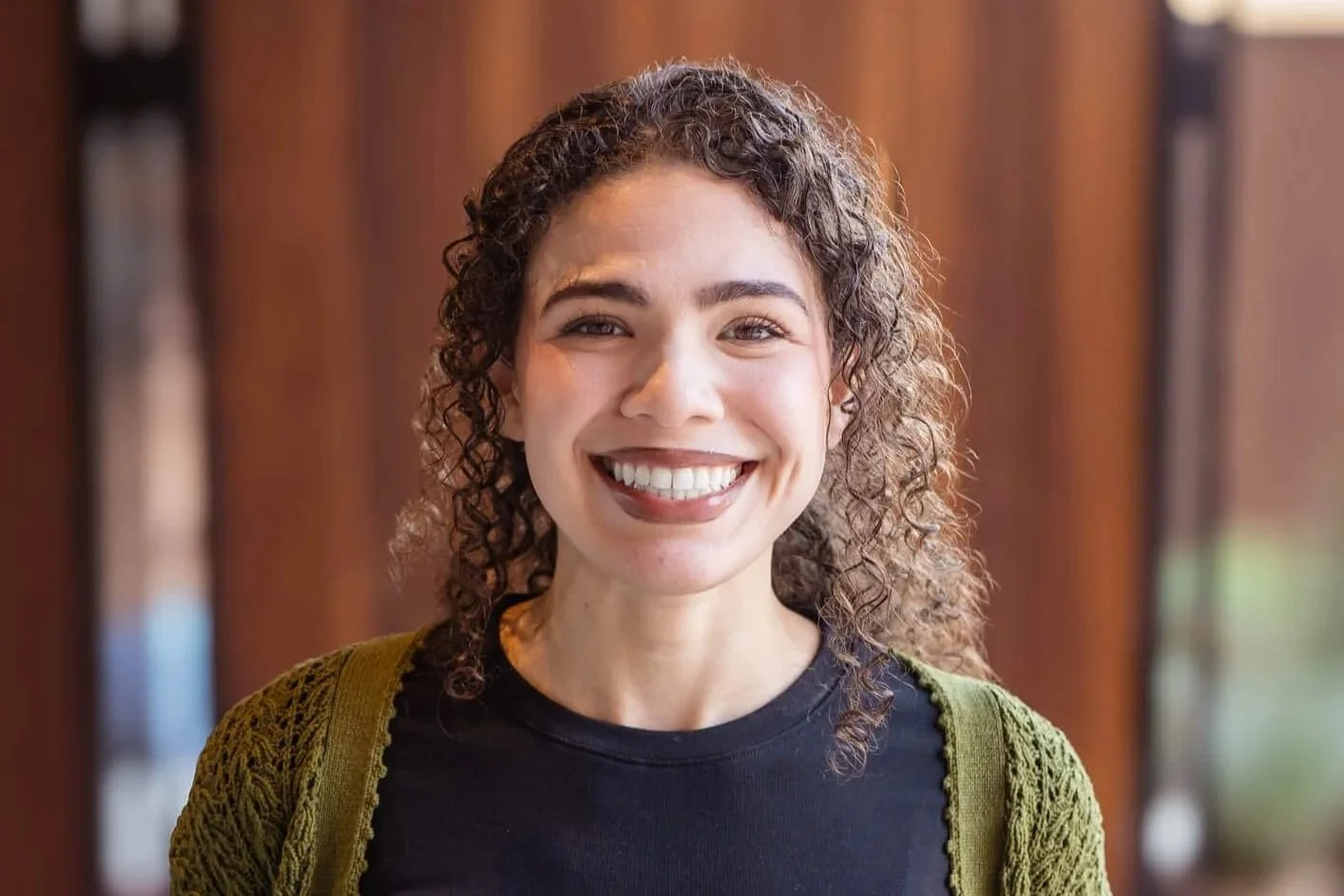
Madison Segarra, Graduate Student Trainee Therapist
Madison is passionate about helping people make sense of their experiences and find meaning in the stories they carry.
She brings a blend of curiosity, authenticity, and heart to her work and is drawn to conversations about identity, relationships, healing, and personal growth. Madison believes that transformation rarely happens in a straight line—it is often messy, deeply human, and sometimes a little magical.
GET HELP NOW
If you are interested in therapy with Kindman & Co. and would like to learn more about the services we have to help you, follow these quick & easy steps:
Schedule a free 20-minute phone consultation with our Care Coordinator.
Get matched with the therapist who’s right for you.
Start feeling more supported and fulfilled in your life and relationships!
THERAPY AT KINDMAN & CO.
We are here for your diverse L.A. counseling needs. Our team of therapists provides lgbtqia+ affirmative therapy, couples therapy & premarital counseling, grief & loss counseling, group therapy, and more. We have specialists in trauma, women's issues, depression & anxiety, substance use, mindfulness & embodiment, and support for creatives. For therapists and practice owners, we also provide consultation and supervision services! We look forward to welcoming you for therapy in Highland Park and online.