On The Therapist Near Me
Searching for a “Therapist Near Me” in a Post-Pandemic World
Let’s talk about closeness in therapy.
It’s wild to me that, as I write this in early 2026, the COVID pandemic began nearly six years ago. Like many therapists practicing at the time, we shifted our entire caseloads to telehealth almost overnight. We told ourselves — and our clients — that it would be temporary. Remember the early calls to “flatten the curve”? I distinctly recall sending an email saying we would be virtual for two weeks and then back in the office.
Hindsight, as they say, is 20/20.
Many clients never returned to in-person therapy. The convenience was undeniable—no driving across LA, no parking meters, no rushing from Silver Lake to Santa Monica before sunset traffic hits. Many therapists adapted too. Office space is expensive in Los Angeles, and giving it up reduced overhead dramatically.
At the same time, venture-backed telehealth platforms like Headspace and Better Help exploded in growth, saturating advertising channels and recruiting thousands of clinicians with promises of steady referrals and fully remote work.
Telehealth Therapy vs In-Person Therapy: What Changed?
The results of this large-scale shift to screen-mediated therapy have been mixed.
On one hand, access to psychotherapy expanded in meaningful ways. Clients in rural parts of California, people with mobility limitations, caregivers juggling demanding schedules, and those seeking therapists with specific cultural or identity-based lived experience, such as BIPOC and LGBTQIA folks, gained new options. That matters.
Increased access to therapy is real and important.
And yet, something central to the therapeutic encounter has been diluted in the process: the experience of two human nervous systems sharing physical space while exploring the most intimate, vulnerable parts of a person’s inner life.
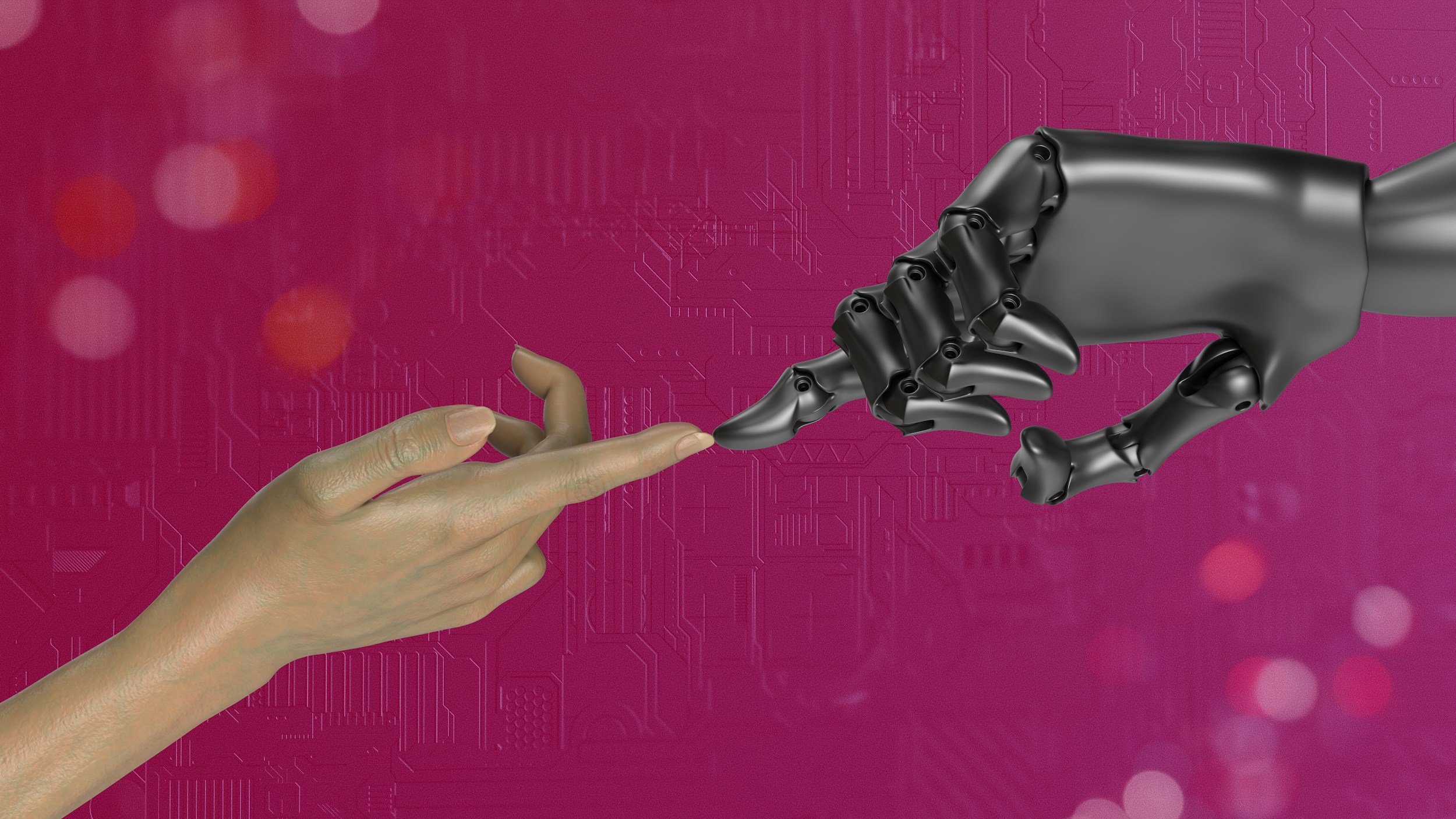
Can AI Replace a Therapist Near Me?
Alongside the rise of telehealth, we’re now seeing another new development: many people are turning to large language models and AI tools like ChatGPT and Gemini for support that resembles psychotherapy.
And it makes sense.
AI systems can be surprisingly helpful. They can organize complex thoughts, reflect back patterns, suggest coping strategies, generate journaling prompts, and offer psychoeducation in seconds. For early insight, language-finding, or structured reflection, they can be powerful tools. In some cases, they may lower the barrier to starting emotional work at all.
But AI cannot replace a therapist.
AI cannot replace the healing power of co-regulation
AI does not have a nervous system. It does not have a body. It does not experience emotion or attachment. It cannot feel the tension in a room, notice a subtle shift in breathing, or respond to the unspoken meaning behind a pause.
Because AI is not truly in relationship with you.
These tools can’t feel the moment with you, sit in silence with you, or participate in the subtle, mutual process of emotional attunement. They can simulate conversation—but they cannot offer genuine, human presence.
Out of curiosity, I asked ChatGPT directly why it cannot replace a live therapist. This was its response:
“I can generate insight and suggest coping strategies, but I cannot co-regulate with you. I cannot feel the subtle shifts in your breathing, notice the tears forming before you speak, or respond from my own embodied presence. Relational healing requires two nervous systems interacting — and I don’t have one.
Therapy often involves moments of misattunement, rupture, and repair that reshape attachment patterns. That kind of change happens inside a real, mutual relationship. I can simulate empathy in language, but I cannot participate in the lived emotional exchange that makes repair transformative.”
Therapy, especially relational therapy, is not only about good suggestions or an exchange of ideas. It is a dynamic, moment-to-moment experience between two people. It includes misattunements and repair. It includes the courage of eye contact. It includes the nervous system learning, through lived experience, that closeness can be safe.
AI may support insight.
But it cannot offer co-regulation.
It cannot offer mutual recognition.
It cannot offer relationship.
Why Many People in Los Angeles Still Choose In-Person Therapy
In-Person Therapy and Nervous System Co-Regulation
Unlike an AI therapist, in-person relational psychotherapy is not just a conversation—it is an experience grounded in co-regulation.
When a therapist and client sit in the same room, face to face, eye to eye, a different layer of communication comes online. Subtle shifts in breathing, posture, muscle tone, facial expression, and vocal resonance become easier to perceive and respond to. The body reads safety, attunement, and presence in ways that are harder to transmit through a screen.
Even with excellent video quality, digital mediation compresses the bandwidth of human signaling.
Our nervous systems are social organs. They constantly, and largely unconsciously, scan for cues of threat and cues of safety in other people. In a shared physical space, the therapeutic relationship can become a stabilizing regulatory anchor. A grounded therapist’s regulated breathing, steady voice, and attuned eye contact can help settle an activated client.
Moments of shared laughter, silence, grief, or relief land more fully when they are embodied together. The room itself becomes part of the holding environment.
The Power of Going to a Therapy Office Near You
There is also something profoundly human about the mutual act of showing up.
Traveling to a therapy office, entering a dedicated space, and sitting across from another person creates a ritual container. It marks the work as distinct from the rest of daily life. Telehealth sessions, by contrast, often occur between emails, in cars, or from the same chair used for meetings and scrolling.
In-person therapy invites fuller embodiment: feet on the floor, breath in the chest, emotion moving through the body in real time.
Relational Therapy Happens Between People
Relational therapy in particular depends on what happens between people, not just what is said.
Micro-moments of misattunement and repair.
The felt sense of being seen.
The courage to hold eye contact while naming something difficult.
These are not just psychological events; they are somatic ones. They live in gesture, timing, and presence. When therapist and client are physically co-present, these moments tend to be clearer, slower, and more metabolizable.
In-Person Individual, Couples, and Group Therapy in Los Angeles
None of this means telehealth therapy is ineffective or without value. For many people, it is the best (or only) viable option, and meaningful change absolutely happens there.
I have several clients whom I have never met in person whom I deeply care about and have seen grow through our screen-to-screen connection.
But when possible, in-person relational psychotherapy offers something uniquely powerful: two people, sharing space and time, engaging in the brave work of telling the truth, being seen, and building new patterns of connection—not only in the mind, but in the body and nervous system as well.
Our Commitment at Kindman & Co.
At Kindman & Co, we provide:
In-person individual therapy
In-person couples & relationship therapy
In-person group therapy
We believe that healing happens most powerfully in real relationship—not just through insight and technique, but through shared presence, embodied attunement, and genuine human contact.
Telehealth plays an important role in expanding access. We value that. And our core clinical work centers on what becomes possible when two (or more) people sit together in the same room, slowing down enough to listen, feel, and respond in real time.
There is no true substitute for that kind of encounter, and we’re committed to protecting and prioritizing it.
Featured therapist author:
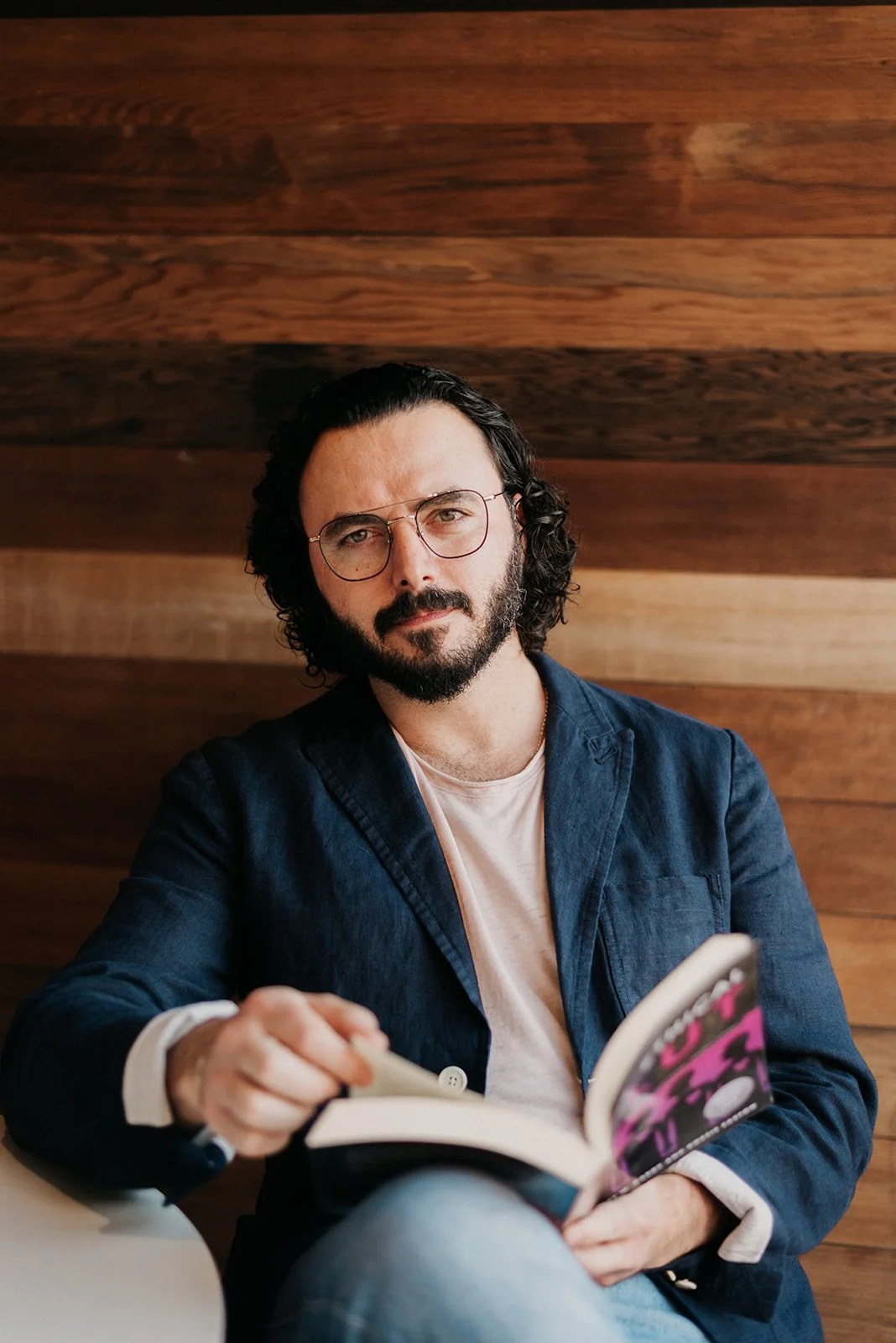
Paul Kindman, LMFT is an immigrant, refugee and acculturated American. He loves working with couples, partners and multicultural relationships who are navigating unique challenges of honoring many belief systems and traditions within relationships and families.
GET HELP NOW
If you are interested in therapy with Kindman & Co. and would like to learn more about the services we have to help you, follow these quick & easy steps:
Schedule a free 20-minute phone consultation with our Care Coordinator.
Get matched with the therapist who’s right for you.
Start feeling more supported and fulfilled in your life and relationships!
THERAPY AT KINDMAN & CO.
We are here for your diverse L.A. counseling needs. Our team of therapists provides lgbtqia+ affirmative therapy, couples therapy & premarital counseling, grief & loss counseling, group therapy, and more. We have specialists in trauma, women's issues, depression & anxiety, substance use, mindfulness & embodiment, and support for creatives. For therapists and practice owners, we also provide consultation and supervision services! We look forward to welcoming you for therapy in Highland Park and online.