
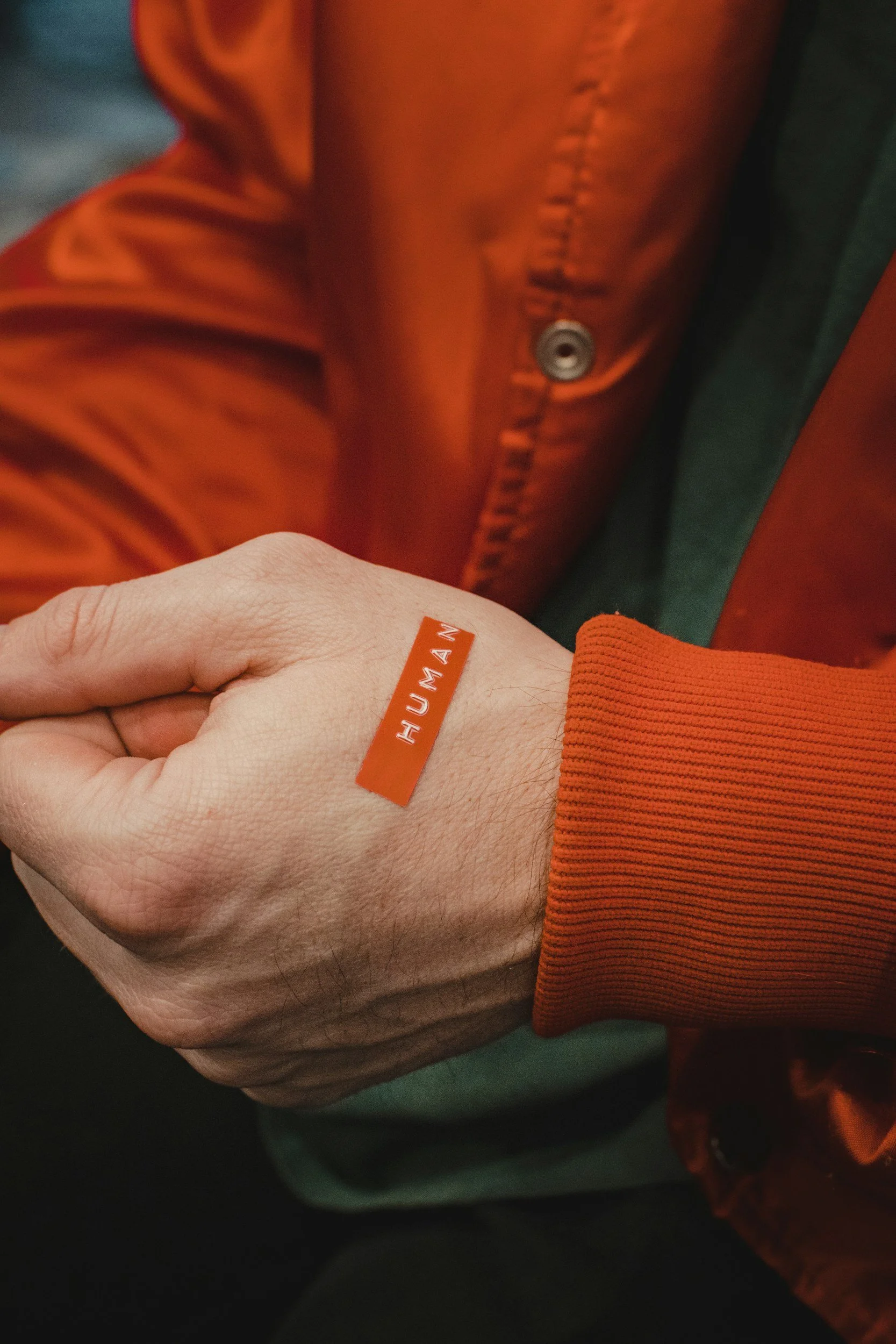
On the Podcast: Not an AI Chatbot: Being Human in the Therapy Room
episode summary
In this episode of Out of Session with Kindman and Co., Elizabeth and Logan dive into the topic of how therapists are not immune to the messiness of life and why it's healthy to acknowledge that. They share their own vulnerabilities, discuss expectations placed on therapists to be all-knowing, and explore the importance of authenticity in therapeutic relationships. The conversation takes a light-hearted turn with references to SpongeBob SquarePants and personal anecdotes, emphasizing that embracing one's humanness can lead to better connections both in and out of therapy sessions.
introduction
[00:00:30] Elizabeth: My name is Elizabeth.
[00:00:32] Logan: And my name is Logan.
[00:00:33] Elizabeth: And we're out of session with Kindman and Co.
Therapists Are Human Too
[00:00:36] Logan: Today's topic is the therapist is also a mess,
[00:00:39] Elizabeth: And this is actually very healthy.
[00:00:42] Logan: It feels healthy. I feel so messy. I feel so healthy.
[00:00:45] Elizabeth: I feel so messy. I feel so healthy. I feel so seen.
[00:00:48] Logan: Amazing.
[00:00:50] Elizabeth: Amazing. I, I'm, I am feeling nervous.
[00:00:53] Logan: I am feeling nervous too, actually. I feel like that's real.
[00:00:57] Elizabeth: I think a demonstration of our humanness.
[00:01:00] Logan: Definitely. I'm feeling very human in this moment. I'm like, who's gonna listen to this?
What am I gonna say?
[00:01:06] Elizabeth: Are they gonna think what we're saying is valuable?
[00:01:10] Logan: I hope.
[00:01:11] Elizabeth: I hope I'm sweating.
Alright.
[00:01:19] Logan: Okay, so let's talk about it. Liz, should I call you Elizabeth?
[00:01:25] Elizabeth: You can call me. Liz
[00:01:29] Logan: Liz, are therapists human?
[00:01:33] Elizabeth: Yeah. I think so. What do you think? Yeah.
[00:01:39] Logan: And that's on Mary had a little lamb. I think so too. I think so too.
The Messiness of Being a Therapist
[00:01:45] Logan: I think sometimes, um, there are these views of therapy and therapists, like we're some kind of all knowing.
[00:01:57] Elizabeth: Well, speaking of messy, actually, we just had to pause to ensure that there was no outside noise. So we're back.
[00:02:07] Logan: We're back. You might hear some extra white noise, um, 'cause we might be messy, but we respect confidentiality.
[00:02:17] Elizabeth: Exactly. This is a part of our job, if you will.
[00:02:20] Logan: It is. Sound machines everywhere.
[00:02:22] Elizabeth: Everywhere. So where did, where did we leave off?
[00:02:25] Logan: What were we saying? Um, you know, I was thinking about, I think I was talking about therapists. I think there are sometimes expectations that we are not messy. I've come into sessions before, sometimes, you know, clients will ask how I'm doing, right. How are you? But once I fought past that, reflexes to just say good and be honest. 'cause I don't wanna model that. We just say good. When we're not feeling good.
Sometimes I'll say, oh, I'm anxious today. And sometimes clients are a little taken aback. How can you be anxious?
[00:02:58] Elizabeth: Yeah. Like the expectation. You're a therapist. Yeah. Surely you don't experience anxiety.
[00:03:04] Logan: I know. Anxiety. Who is she?
[00:03:06] Elizabeth: Wrong. We experience it hard.
[00:03:10] Logan: Very familiar.
[00:03:12] Elizabeth: Very familiar with her anxiety. She, she, she, she knocks at my door pretty often.
[00:03:20] Logan: She busts through the window. She's in The call is coming from inside the house.
[00:03:25] Elizabeth: Yeah. Like the Kool-Aid man.
[00:03:27] Logan: Just like the Kool-Aid man. That's exactly what I picture when I think about anxiety, actually.
[00:03:33] Elizabeth: Exactly.
[00:03:34] Logan: Why, um, so why are, why are we talking about this?
Authenticity in Therapy
[00:03:37] Logan: Why, why is it important for therapists to be messy and to be human?
[00:03:43] Elizabeth: Well, I think it's, I mean, when we're talking from a relational standpoint, I think it's like a really important aspect of like acknowledging our inherent humanness, messiness. It's a way of being authentic, like therapists. I agree with you. I feel like there's this kind of I don't know, expectation of therapists being like all knowing or having their lives completely together because of this profession, and that's just not possible. And I think it brings a space into session to be real and to actually connect and grow. What do you think?
[00:04:30] Logan: I really resonated when you said that's not possible. Because I think that sometimes this thing happens where it's like, oh, you're perfect and I need to be perfect too, and perfection is never feeling anxious or never feeling bad, or never making a mistake. And, it's just unrealistic to set that goal. That's not gonna happen. And maybe it's more about being able to tolerate, making some mistakes, being able to tolerate being in the yuck, being in the mess,
[00:05:01] Elizabeth: Being in the yuck,
[00:05:02] Logan: Being in the yuck
[00:05:04] Elizabeth: it's real. And it's, you know, it makes me think of this conversation I had here at work of like, what is our role? And it's like being able to tolerate those moments and to be in that yuck to be in that mess.
[00:05:23] Logan: And sometimes we're in that yuck. My apartment. Oh my gosh. I need to clean that
[00:05:32] Elizabeth: Same, oh my God.
So same. And it, it can be hard, like being a working human and having all these responsibilities.
[00:05:46] Logan: Mm-hmm.
[00:05:48] Elizabeth: And finding time.
[00:05:50] Logan: And finding time, and then it fucking gets messy again. And that's normal.
[00:05:56] Elizabeth: It builds.
[00:05:57] Logan: It builds. And I think when we're, um, you know, maintaining this facade that, oh no, not me, it really exacerbates the shame around. I have that pile of laundry on the chair that I didn't fold.
[00:06:15] Elizabeth: And it's been there for a year.
[00:06:17] Logan: It's been there for a year and. No one's the only one.
[00:06:23] Elizabeth: Yeah. It also, I feel like brings this like paralyzing effect, like that shame. And I think it shows up in session. Like if we put on this facade that we have everything together.
I don't know about you, but I feel like paralyzed. Like what do I say? I'm supposed to say something like, I think, maybe there's this expectation. I'm gonna say something. Like, I don't know. And I maybe if I'm just authentic and like yeah, I, I resonate with that.
[00:06:54] Logan: Yeah. We are not always gonna have the perfect response as much as sometimes I wish I did. I wish I had, here's the key, here's the cure.
[00:07:10] Elizabeth: Yeah. Yeah, actually, here's a formula. Wouldn't that be nice if anyone,
[00:07:14] Logan: Oh God, I wish. I wish I had a formula. Liz, gimme the formula.
[00:07:19] Elizabeth: A plus B equals C,
[00:07:24] Logan: And then you get a crabby patty.
[00:07:26] Elizabeth: Oh my gosh.
Personal Reflections and Humor
[00:07:28] Elizabeth: I've been thinking a lot about SpongeBob lately.
[00:07:30] Logan: Have you?
[00:07:31] Elizabeth: I have
[00:07:32] Logan: Say more.
[00:07:34] Elizabeth: I don't know. I think it's all this talk about the SpongeBob musical. It's on my feed constantly.
[00:07:40] Logan: I haven't heard about. Is this outta the loop?
[00:07:46] Elizabeth: That's uniquely me thing, apparently. And that, that's silly.
I'll have to send you some videos.
[00:07:56] Logan: Okay.
[00:07:58] Elizabeth: Then you'll see the messiness of my brain.
[00:08:01] Logan: I'm into it. I'm down.
[00:08:03] Elizabeth: That's pretty silly. Can you imagine a SpongeBob musical?
[00:08:07] Logan: I can. I feel like SpongeBob has a lot of music. They have a best day ever. They got the crabby patty, I mean the firsty crab Pizza one.
[00:08:18] Elizabeth: Oh, is it pizza? And then wait is the Wait, wait, pizza.
[00:08:23] Logan: Yeah. Yeah. For you and me, right?
[00:08:25] Elizabeth: Yeah. And then there's the "f" is for friends who do stuff together. Together. "U" is for you and me. Me. And then there's the plankton. There's a plankton like remix.
[00:08:38] Logan: Oh my God.
[00:08:39] Elizabeth: Like he is like "U" is for uranium.
[00:08:41] Logan: Oh, there is
[00:08:42] Elizabeth: Do you remember that one?
[00:08:43] Logan: Yeah, I do remember that one.
[00:08:44] Elizabeth: Wow. Throwback
[00:08:45] Logan: Plankton forever the cynic.
[00:08:49] Elizabeth: I resonate with plankton sometimes.
[00:08:52] Logan: Yeah. There's a little plankton in all of us.
[00:08:54] Elizabeth: There's a little plankton. There's a little squidward.
[00:08:58] Logan: Oh yeah.
[00:08:59] Elizabeth: There's a little SpongeBob.
[00:09:01] Logan: The older I get, the bigger the squidward part of me becomes.
[00:09:06] Elizabeth: Yeah, same. Same. I fear that maybe I am the neighbor that is like, quiet down.
[00:09:20] Logan: Are you?
[00:09:21] Elizabeth: Oh, I sure am. I live, um, bottom floor. And so sometimes on my days off when I'm desperately need in need of sleep. I will say, I will just yell up at my ceiling and say, please, it's my day off.
[00:09:42] Logan: You get the broom out and hit the ceiling?
[00:09:44] Elizabeth: One point I owned a little like mini, um, Nerf gun and I would Nerf the ceiling.
[00:09:52] Logan: Did it work?
[00:09:53] Elizabeth: No, I don't think, I don't think they can hear for the record, I love my neighbors. I just don't love how loud they walk.
[00:10:01] Logan: Neighbors. If you're listening, please keep it down on Liz's Day off.
[00:10:05] Elizabeth: Please. I'm begging you. I need some sleep.
[00:10:10] Logan: I'm the upstairs neighbor. Making a ruckus.
[00:10:14] Elizabeth: What are you, what are you doing up there?
[00:10:16] Logan: I'm playing Just dance Four
[00:10:19] Elizabeth: All day, all night.
[00:10:22] Logan: No, but no.
[00:10:24] Elizabeth: Occasionally
[00:10:25] Logan: Here and there. I, I dabble.
[00:10:28] Elizabeth: Well, I mean, talk about humanness. One downstairs neighbor sits here, and another upstairs neighbor sits here. I know. And we can bring authenticity into the room.
[00:10:42] Logan: I know. And we're more than just therapists.
[00:10:45] Elizabeth: We're more We're humans.
[00:10:47] Logan: We're humans
[00:10:48] Elizabeth: With complexity just like everyone else.
[00:10:51] Logan: Yeah. Unfortunately or fortunately.
The Importance of Vulnerability
[00:10:55] Elizabeth: Do you feel like, I'm curious being in, I feel like this is also kind, I mean a largely like relational thing, like bringing that kind of challenging that, that blank slate, like really coming in, being raw, authentic.
How have you felt about being real in session, like being you?
[00:11:21] Logan: I feel. I think I feel a little mixed about it. I think that on the one side it's really kind of liberating. You know, not trying to hold up this all knowing therapist thing, right? Just being yourself. Being myself, I guess.
Um, and it's also vulnerable.
[00:11:45] Elizabeth: Yeah.
[00:11:45] Logan: And I think that, um. I think it's something that we've talked about around the office, and I'm sure other people have talked about too, where there's something about being anonymous that's safe and that there's something about listening and empathizing and being there, making space for somebody else's story, somebody else's, um, feelings, pain, whatever that is.
Um, that. It feels a little safer. So to bring our own authenticity, to bring our true selves, our vulnerability, we're, um, kind of taking a risk there. Sometimes it feels a little exposing and a little, a little naked. And sometimes when clients ask about me or my life, or it makes space for me to be human, um, I feel a lot of gratitude.
And I feel a little, a little afraid, right? Whenever we're being authentic. What if somebody rejects that? What if somebody right? Yeah. Doesn't like that. That's hard. And I think a lot, I don't know what your kind of background, kinda education was, but I feel like a lot of therapists schooling still perpetuates this idea that we are not supposed to, um, self disclose. Right. Unless, unless really necessary. Really. Right?
[00:13:17] Elizabeth: Yeah. Unless it's like a benefit for the client, like every single, unless it like, will really be important in that moment necessary. Yeah.
[00:13:26] Logan: So I still struggle with kind of the ghost of that.
Like, ooh, like I don't, like, personally, I have a hard time taking up space.
[00:13:35] Elizabeth: Yeah, I do too.
[00:13:36] Logan: You too.
[00:13:37] Elizabeth: Yeah. I really resonate with all you're saying. I think it's like, I actually just got, I've been getting a lot of feedback lately.
[00:13:46] Logan: Oh.
[00:13:47] Elizabeth: That, um, I don't disclose enough and my friendship and like my relationships that my friends say, we wanna know more about you.
And I think. This, this kind of, this approach is kind of challenging for me. That part of like, I wanna hide behind, or not like hide, but like maybe the notion, I mean, it brings again like my programming, my quote unquote messiness into the room of like. Is it too much? If I share, especially in the context of therapy.
Is it appropriate? I think the ghost of education's past,
[00:14:37] Logan: Yeah
[00:14:38] Elizabeth: Definitely turns up in those moments.
[00:14:42] Logan: Yeah. Education's passed and our own stuff.
[00:14:46] Elizabeth: Yeah.
[00:14:46] Logan: We have shit.
[00:14:47] Elizabeth: We have shit. And it shows up in the room.
[00:14:50] Logan: Yeah. It can't not right.
[00:14:53] Elizabeth: No, and I think this idea of like blank slate not disclosing, I mean even from like a social justice standpoint, I remember in schooling them, like really highlighting the importance of this blank slate narrative.
It's not our job to impose our, or kind of like share our belief system. And I actually think that's like quite harmful. I always push back on that. Of, well that's not po it's not possible. To just like have no opinions, have no, or like not bring them into the room. Yeah. Like, have no history ourselves.
[00:15:33] Logan: It's not believable.
[00:15:36] Elizabeth: No.
[00:15:37] Logan: Right.
[00:15:38] Elizabeth: And I, I, I mean, I think we've all, I mean, at least for folks who've been in and outta therapy or, you know, have experienced, I'm, I've had therapists who are more blank-slatey and therapists who are more kind of authentic in, in like their positioning or their experiences and I have to say.
At least personally, I find it really healing and helpful when that disclosure is there. Have you had,
[00:16:12] Logan: Yeah. I know as I was listening to you, I was kind of going through the mental Rolodex, like have what, what kind of therapist have I had? And I, um, I've, I think I've had a lot of blank-slatey therapists.
[00:16:25] Elizabeth: You have?
[00:16:25] Logan: I mean, they've been great. They've helped me through a lot. All my past therapists out there. I don't think you're listening, but I appreciate you. Love you guys, love you so much.
And, um, I'm like, how much did I really know about them? I maybe had a few therapists that took some stances, let some of their opinions be known, but for the most part, I didn't know too much and I am reflecting on not feeling as close to them. And I think sometimes there's this closeness, there's this intimacy that's born out of vulnerability, out of mutual authenticity, out of both sitting in, hey, we're both here with the discomfort of being so human.
[00:17:10] Elizabeth: In the yuck,
[00:17:11] Logan: in the yuck, and, yeah, I think I, I, I, maybe my next therapist will find a relational one.
[00:17:20] Elizabeth: Hey, I know a few. Obviously we can't come here.
I also think there's something about this approach that, yeah, I mean, what I like what I was speaking on earlier, like it allows I'll speak for myself. It's allowed me to be more aware or authentic in my relationships outside of the, of the space, actually, Liz, you don't always have to be a caretaker.
And like you can actually rely on, you can like lean into support. Have you felt that way at all? Like being in relational, the, like being a relational therapist has allowed you to show up more authentically?
[00:18:03] Logan: I think so. It's definitely made me reflect on a lot of things. And I think, um, I'm gonna say something that you said to me, he said, name it to tame it, right?
[00:18:16] Elizabeth: Yes. My old boss would say that. My former boss, she would always say that. Fantastic.
[00:18:22] Logan: It's a great nugget. I've been using it,
[00:18:24] Elizabeth: it's so good.
[00:18:25] Logan: But I feel like when we name that, hey, of course we're human, hey, of course our shit's gonna come into the room. Of course we're gonna be messy too.
Um, it's helped me to look in the mirror and really reflect more on what am I bringing into the room. And of course that's happening outside of the room too, right? Which I think is a big part of relational therapy is what's happening here. Maybe it shows up for us outside of therapy in our other relationships.
Um, and if we're in this office working with what's happening right between us in our therapeutic relationship and one of us is being like a cyborg robot, um, that's not. Realistically, you know, there's not pro, I mean I don't wanna say for sure there's AI now, but that's probably not what your relationships outside of here are like.
So we're gonna be missing out on a lot of like that good stuff that, we can be curious about.
[00:19:26] Elizabeth: That like warm, gooey, like this is what connection is.
[00:19:31] Logan: The warm, gooey, and also the and also the opposite of, I don't know, the cold.
[00:19:37] Elizabeth: Yeah, the hard, the cold hard. The muck.
[00:19:40] Logan: The muck and the yuck.
[00:19:41] Elizabeth: Yeah.
[00:19:42] Logan: That's meant to happen here. 'cause it happens.
[00:19:44] Elizabeth: Totally. Like in those cases, like in those moments of rupture where there's opportunity for like that muck of like, oh shoot. I just perhaps said something that like didn't land. Or like. Somebody, a client said something and like, ha, I'm feeling, I'm feeling sad about that.
Like that muck of getting, having, having those tougher conversations. That's the real and the raw.
[00:20:17] Logan: Yeah. High key, high, uh, bull. What, what am I saying? Just me being human emphasis on the, on the real part.
[00:20:30] Elizabeth: Yeah.
[00:20:31] Logan: I don't know. There's something to me so sterile about pretending not to be messy.
[00:20:40] Elizabeth: Yeah. It also just like, it feels so unfun, I mean, therapy is complex and inherently emotional and like there's so much in it, but I think there's also this like beautiful opportunity for pockets of joy. I think we can heal in in moments of like lightness and that can occur in the room. And I think if you're so robotic, I just feel like, goodness, are those moments even accessible? I don't know.
[00:21:20] Logan: I think when we're cutting any parts of ourselves off, there's the, the risk of cutting off joy and fun and pleasure and play too.
[00:21:32] Elizabeth: Yeah. I mean, and yeah. All of these things that we've, like, the muck, the joy, you know, the sad. The, the happy. I feel really grateful. Like even here, talking to you, I don't know, I always feel really a lot of gratitude to be able to be really authentic with you.
[00:21:59] Logan: Me too. I know I was kind of sitting here becoming aware of our present moment too, and just, um, being able to work together in the relationship that we've built over these past few months. And I, I think. Pockets of joy. We have a lot of pockets of joy and, um, we have pockets of other things too. And, and that's okay. Yeah, I appreciate that. We can chuckle over some SpongeBob songs and
[00:22:29] Elizabeth: We can sing them to each other.
[00:22:31] Logan: And commiserate sometimes too.
[00:22:33] Elizabeth: Yeah. And I do love our like, um, between session little like dance.
Like little, like somatic. Shake, shake off, dance with, with our coworkers.
[00:22:51] Logan: Yeah. Shout out to Sarah.
[00:22:53] Elizabeth: Logan has said that we are the dads of the office, which, I, I think we all, I think we are the office dads.
[00:23:06] Logan: We're we're coming for the title if we're not already.
[00:23:10] Elizabeth: Sorry. Anyone?
[00:23:12] Logan: But just to pull back the curtains sometimes between sessions we're back in the kitchen area doing some silly dances.
[00:23:22] Elizabeth: We're wiggling.
[00:23:23] Logan: We are wiggling. We're shaking it. Dropping it low on the occasion when our knees feel good.
[00:23:30] Elizabeth: When, yeah. When our bodies allow when we're not, when we haven't thrown out a back or a hip.
[00:23:38] Logan: Yeah, yeah, yeah.
[00:23:41] Elizabeth: It's, it's getting, we're getting there.
Yeah. We're getting to that age.
[00:23:45] Logan: And sometimes I'm like, Ooh, should I hide back here? Ooh. Is that the door? Is a client coming in? What if they see me wiggling? And then I realized, you know what? Let them see.
[00:23:56] Elizabeth: Let let them see. This is being human. Also, I would love to think that my therapist is doing that in between her sessions.
[00:24:05] Logan: Hope so. I hope so. Or something.
[00:24:07] Elizabeth: A little wiggle.
[00:24:09] Logan: A little wiggle. A jive.
[00:24:12] Elizabeth: A jive, a foxtrot, a fox.
A Chacha. Okay.
[00:24:24] Logan: We'll work on it. We'll watch some YouTubes. We'll, we'll, we'll get our, our ballroom moves.
[00:24:30] Elizabeth: Look out Dancing with the Stars. Here we go. I would love to see that.
[00:24:38] Logan: I dunno if I'm capable yet, but I'm down
[00:24:42] Elizabeth: 2026.
[00:24:43] Logan: You're right. The year of. Possibility.
[00:24:50] Elizabeth: The world is our oyster, if you will.
[00:24:52] Logan: I love that.
[00:24:54] Elizabeth: I do too. And I love this.
Concluding Thoughts and Future Plans
[00:25:01] Elizabeth: I was feeling real nervous about this. Real sweaty. And this felt lovely.
[00:25:03] Logan: I know.
[00:25:04] Elizabeth: How did you feel?
[00:25:05] Logan: I feel, I feel good. I feel like we laughed a lot. Um, I always get a little stressed out doing podcasts and. Little, little performance anxiety.
[00:25:15] Elizabeth: Yeah.
[00:25:15] Logan: Um, and you know what, what was that Kool-Aid man, I did fuck up. I said, blah, blah, blah, blah, blah. And hey, it's okay.
[00:25:27] Elizabeth: Hey Kool-Aid man. I know you're saying maybe you didn't, I like, maybe I possibly didn't add any big, profound thoughts, but we didn't, and I think actually. My hope is that this landed for the general. I feel like this was good.
[00:25:46] Logan: I hope so.
Listeners, did you get something out of this?
[00:25:50] Elizabeth: What did you get out of it? Was it helpful? I hope.
[00:25:55] Logan: I hope.
[00:25:57] Elizabeth: It's so nice to talk to you, Logan.
[00:25:59] Logan: You too, Liz. I'm glad that we did this podcast and I'm sure we'll have many podcasts to come.
[00:26:05] Elizabeth: I'm excited. I'm already thinking about the next one. That's right.
[00:26:11] Logan: Do you have an idea for a podcast?
[00:26:13] Elizabeth: I've been, I've been throwing some ideas around.
[00:26:15] Logan: Okay.
[00:26:16] Elizabeth: We'll talk.
[00:26:17] Logan: We'll talk.
[00:26:17] Elizabeth: We'll talk.
[00:26:18] Logan: We'll talk.
[00:26:21] Elizabeth: Well,
[00:26:22] Logan: Well see you next time.
[00:26:25] Elizabeth: See you next time. It's been a joy and a pleasure.
[00:26:28] Logan: Absolutely. "F" is for friends that do things together.
[00:26:32] Elizabeth: " U" is for you and me.
All right guys. Thanks for listening.
[00:26:41] Logan: Bye.
[00:26:41] Elizabeth: Bye y'all.
[00:26:43] Logan: And cut.
[00:26:43] Elizabeth: And cut. That was fun.
bringing you to
Today's episode is bringing you to Northeast Neighborhood Outreach (NENO). They are a grassroots organization working to support and advocate for unhoused people in Northeast LA. Their goal is to improve the lives of those who are currently unhoused in northeast LA through weekly outreach, connection to services, and policy advocacy. You can view their website at neno-la.org
Look out for the transcript of this episode on the Kindman & Co. blog and sign up for the Kindman & Co. newsletter to stay connected.
Featured therapist author:


As a queer person myself, I feel deeply connected to supporting fellow members of the queer community to weave together all of the many facets of your identity and heal from the harms of marginalization. If you’ve ever felt othered or unseen by the world around you, I want therapy with me to be a place where you can untangle harmful messages, build self-trust, and step more fully into authenticity. I support people healing from long-term trauma, including complex family dynamics and experiences of gender-based or sexual violence, meeting you with consistency, helping you build safety, and moving at a pace that feels right for you.
As a pansexual, nonbinary therapist, I have experienced firsthand the importance of inclusive and queer-affirming care. My approach centers on supporting LGBTQIA2S+ individuals and relationships, providing a warm and gentle space where you can explore your authentic self without fear of judgment or shame. I am deeply inspired by the resilience and tenacity of queer-identified folks and thus, am dedicated to helping queer and questioning folks go from feeling isolated or confused to embracing their authentic self and building community. Similarly, I help gender expansive people go from feeling dysphoric and disconnected to reclaiming their power and reconnecting with their bodies.
GET HELP NOW
If you are interested in therapy with Kindman & Co. and would like to learn more about the services we have to help you, follow these quick & easy steps:
Schedule a free 20-minute phone consultation with our Care Coordinator.
Get matched with the therapist who’s right for you.
Start feeling more supported and fulfilled in your life and relationships!
THERAPY AT KINDMAN & CO.
We are here for your diverse L.A. counseling needs. Our team of therapists provides lgbtqia+ affirmative therapy, couples therapy & premarital counseling, grief & loss counseling, group therapy, and more. We have specialists in trauma, women's issues, depression & anxiety, substance use, mindfulness & embodiment, and support for creatives. For therapists and practice owners, we also provide consultation and supervision services! We look forward to welcoming you for therapy in Highland Park and online.