On Beyond Performance: What Kink & Queer Spaces Reveal About How We Want to Love

Why More People Are Turning to Kink, Queer, and Alternative Relationship Spaces
There’s been a quiet but undeniable shift in how people talk about intimacy.
Spaces that once lived at the margins — kink communities, queer networks, and consensual non-monogamy communities — are becoming more visible, more normalized, and, for many people, more emotionally honest. Platforms like Feeld, Grindr, and Hornet are no longer simply places to meet people. They have become environments where individuals explore identity, desire, vulnerability, and authentic connection in ways that feel less scripted and more real.
When people describe these spaces, one word surfaces repeatedly:
Relief.
Not excitement. Not novelty. Relief.
Relief from performing.
Relief from hiding.
Relief from shaping themselves into something more acceptable in order to be chosen.
That relief reveals something deeper — not just about kink culture or queer relationships, but about the emotional conditions many people have learned to relate within.
The Pressure to Perform in Modern Dating Culture
In many traditional dating environments — especially within heteronormative and monogamous relationship structures — there is often an unspoken expectation to perform.
There are roles to play.
Timelines to follow.
Versions of self that feel more “acceptable” than others.
People learn to present themselves in ways that maximize desirability. Being polished, emotionally manageable, attractive, and easy to understand governs how we navigate relationships and relational survival.
Over time, this can create a profound disconnect from one’s own internal experience. Connection becomes less about being deeply known and more about being chosen.
The cost of this is subtle but significant.
The Emotional Cost of Relational Performance
When authenticity feels risky, people adapt.
They soften parts of themselves.
Hide desires.
Filter emotions.
Suppress complexity.
What emerges can look like intimacy on the surface, but underneath there is often emotional distance — from self and from others.
This dynamic contributes to many of the struggles people now report in modern relationships:
Emotional disconnection
Dating burnout
Fear of vulnerability
Anxiety around attachment
Difficulty expressing needs and boundaries
Feeling unseen in relationships
The performance of connection can slowly replace connection itself.
“Connection becomes less about being deeply known and more about being chosen.”
What Feels Different in Kink and Queer Spaces
Kink and queer communities are not free from power dynamics or relational challenges. But many people experience these spaces differently because they often operate outside conventional relational scripts.
There is typically:
More room for ambiguity
More tolerance for fluid identity
More honest communication
More emphasis on consent and boundaries
Greater openness about desires and expectations
Instead of assuming shared rules, people are often encouraged to name what is actually true for them. People tend to communicate more directly about desires, boundaries, and expectations. There is less reliance on performance and more emphasis on presence.
That changes the emotional atmosphere entirely.
Authenticity and Emotional Presence
What many people experience in these spaces is a feeling of being met where they are; not where they think they should be.
That distinction matters.
That doesn’t mean these spaces are perfect. They carry their own complexities and power dynamics. But authenticity becomes more possible when people are not forced into rigid relational expectations around gender, sexuality, emotional expression, or relationship structure.
Authenticity fundamentally changes the quality of connection.
The Impact of Social Conditioning on Relationships
Part of what makes this shift feel so meaningful is what it pushes against.
Many people grow up surrounded by cultural messaging that defines what love, sexuality, partnership, and desire are “supposed” to look like.
For some, that includes purity culture or religious teachings that frame sexuality in narrow, moralized ways. For others, it shows up more subtly, through expectations about gender roles, relationship milestones, or what counts as a “successful” partnership.
These frameworks can make it difficult to stay connected to one’s own needs and desires. They encourage people to prioritize belonging over authenticity. Sometimes consciously. Often unconsciously.
How Queer and Kink Communities Offer Alternative Relational Models
At their best, kink and queer communities offer alternative relational models by creating space for parts of the self that may have been minimized or excluded elsewhere.
They allow for:
Expanded emotional expression
Exploration of identity
Nontraditional relationship structures
Consent-centered communication
Fluidity in intimacy and connection
For many people, these spaces are not simply about sexuality.
They are about relational freedom—allowing for a wider range of ways to connect, to express, and to be.
Curious About Your Own Relational Patterns?
Many people struggle to understand where their relationship dynamics, fears, or emotional adaptations began.
Therapy can create space to explore:
authenticity in relationships
attachment patterns
shame and desire
identity and intimacy
communication and boundaries
At Kindman & Company, we help people build relationships rooted in presence rather than performance.
The Internet as a bridge for Expanding Identity and Connection
The growth of queer, kink, and alternative relationship communities is deeply tied to the internet.
Digital platforms have made it possible for people to access:
Language for their experiences
Online communities
Educational resources
Relationship models outside their local culture
Emotional validation and visibility
For someone living in a major city like Los Angeles, this may mean expanding an already visible community.
For someone in smaller or more conservative areas like Cape Coral, Little Rock, or Wichita, online spaces can provide access to forms of identity and connection that might otherwise feel inaccessible.
How Online Communities Reduce Isolation
The internet allows people to see themselves reflected in others.
That matters psychologically and relationally.
Visibility can reduce shame.
Language can reduce confusion.
Community can reduce isolation.
The internet offers alternative ways to form connection that might otherwise feel out of reach.
At the same time, it introduces distance and complexity. Connection becomes mediated, sometimes fragmented. But for many people, online spaces have still become an essential bridge toward authenticity.
Privacy, Surveillance, and the Risk of Being Seen
As these spaces grow more visible, so do the risks surrounding them.
Digital surveillance is increasing. Online behaviors are tracked, stored, monetized, and sometimes weaponized — particularly against marginalized communities.
This concern isn’t limited to dating platforms. It extends into areas such as:
Reproductive healthcare
LGBTQ+ activism
Sexual wellness
Political organizing
Identity exploration
For queer and kink communities, privacy and discretion are often directly tied to safety.
Why Privacy Matters in Identity Exploration
The ability to explore identity safely depends on a level of discretion, trust, and autonomy.
When discretion feels threatened, it shapes how people show up; making openness feel less safe, and authenticity becomes harder.
People may begin to:
Self-censor
Withdraw emotionally
Limit vulnerability
Avoid authentic expression
The ability to be seen is not neutral. For many people, it carries real stakes—potential emotional, social, and political consequences.
What This Cultural Shift toward authenticity Is Revealing
It would be easy to frame all of this as a trend, something specific to certain communities or lifestyles.
But these spaces are highlighting something much more universal:
A desire to be known without editing oneself first
A desire for relationships built on honesty rather than performance
A desire to connect without relying on rigid relational scripts
A desire to be met with emotional presence instead of expectation
These are not niche desires. They are deeply human relational needs.
Kink and queer spaces, in many ways, are simply making them more visible.
Healing Through Authentic Connection
At its core, this cultural shift reflects the kind of connection people are longing for.
Not connection built on performance. Connection built on presence.
Not connection that requires shrinking. Connection that allows expansion.
Not connection that rewards conformity. Connection that can hold our complexity.
Being met where you are — without needing to become someone else first — is a profoundly powerful and healing relational experience. Being authentically met creates the possibility for connection that is more grounded, more mutual, and more real.
And while these dynamics may be especially visible in kink and queer communities, they point toward something much broader:
A reimagining of what it means to be in relationship at all and of intimacy itself.
Authentic connection often begins with the experience of being met fully as yourself.
If you’re exploring intimacy, identity, relationships, or relational healing, therapy can offer a place to begin.
Explore therapy at Kindman & Company & with a Free Match Call →
Featured therapist author:
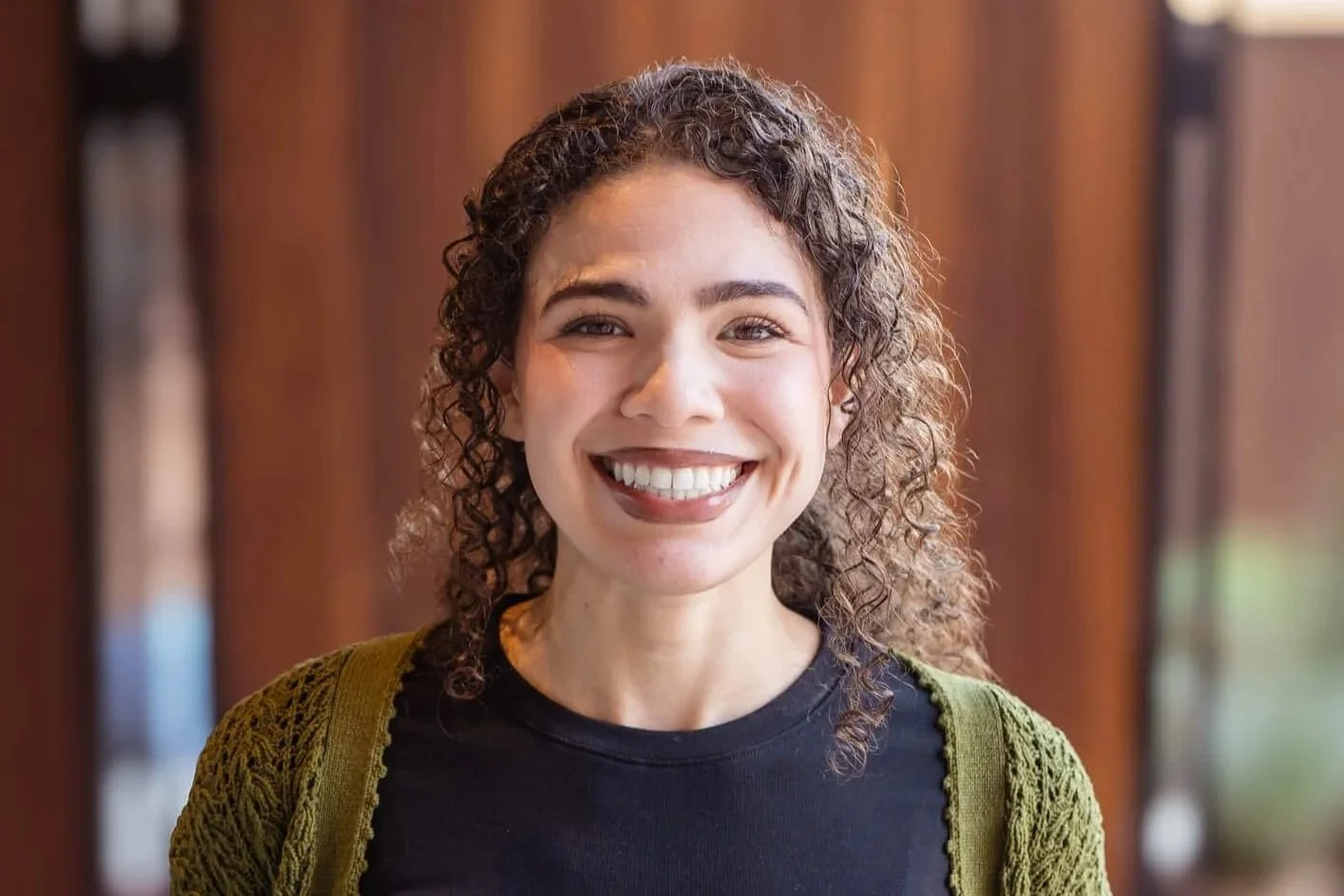
Madison Segarra, Graduate Student Trainee Therapist
Madison is passionate about helping people make sense of their experiences and find meaning in the stories they carry.
She brings a blend of curiosity, authenticity, and heart to her work and is drawn to conversations about identity, relationships, healing, and personal growth. Madison believes that transformation rarely happens in a straight line—it is often messy, deeply human, and sometimes a little magical.
Take Your Next Step Toward Support
If you’re feeling the pressure to perform and wanting to be more authentically yourself, you don’t have to do it alone.
At Kindman & Co., we make starting therapy simple:
Schedule a Match Call: Book a free 20-minute chat with our California Care Coordinator.
Get Paired: We intentionally match you with the right relational therapist for your unique story.
Begin Healing: Start feeling more grounded, supported, and fulfilled in your life and relationships.
Holistic Individual & Couples Therapy in Los Angeles
Kindman & Co. is a human-first, identity-affirming group practice located in the heart of Highland Park (90042).
We provide specialized individual therapy, couples therapy, and group counseling to clients in Northeast Los Angeles—including Pasadena, Eagle Rock, and Glassell Park—as well as online throughout California.
Whether you are seeking LGBTQIA+ & Kink/Poly affirmative therapy, trauma support, or looking to navigate creative blocks, our team of warm and welcoming L.A. therapists is here to welcome you.