
On the Podcast: Rewiring in Real Time — The Power of Repair

episode summary
In this episode of ‘Out of Session’ by Kindman and Co., hosts Sarah, Madison, and Elizabeth get into what rupture really looks like, why repair feels so scary, how to know when a relationship is worth the effort, and what it actually takes to have those hard conversations without blowing everything up.
So if you've ever wanted to get better at conflict — or just wondered why it feels so hard — this one's for you.
Let's get into it.
[00:00:00] Sarah: Hi, I'm Sarah.
[00:00:03] Madison: I'm Madison.
[00:00:05] Elizabeth: I'm Elizabeth.
[00:00:07] Madison: And we're Out of Session, A feelings forward podcast of organized yet messy conversations about being human.
Rupture and Repair
[00:00:14] Madison: Today's topic is rupture and repair.
[00:00:17] Sarah: Hey guys, how are you doing?
[00:00:19] Elizabeth: Hey everyone. It's good to be here.
[00:00:23] Madison: I'm doing good. Feeling good. Excited to be here too. Yeah.
What about you, Sarah?
[00:00:28] Sarah: No, I think I'm feeling pretty good. I was expecting rain and it was gorgeous and sunny. So, I mean, we live in LA but that still feels really nice after being poured on, uh, yesterday.
[00:00:41] Madison: And what a nice little surprise that is.
[00:00:43] Sarah: Yeah. Yeah, so we'll take it. Little wins with the world being the chaos that it is.
[00:00:49] Madison: Yeah. Well you gotta find that sunshine in the, in the muck.
[00:00:52] Sarah: That's definitely what I'd call it in the muck. Yeah. Yeah.
What Is a Rupture
[00:00:56] Sarah: Well guys, guys, I'm kind of curious what, what is rupture and what is repair?
[00:01:03] Madison: Those are such good questions.
[00:01:05] Elizabeth: Great questions. I rupture, I think, in a relationship is whenever things are getting a little weird, whether it's like people getting quiet and you don't really know, but the energy is kind of weird. I think it looks like yelling at each other. Telling each other off.
[00:01:26] Madison: Yeah. No, I definitely agree. I think it's any time in which you can feel, I mean, I can look a number of ways, like if you kind of feel dropped by someone else, you feel like you're just not on the same page as someone else. Kind of like just there being a break in the relationship, a fracture of some sort.
[00:01:48] Elizabeth: Hmm. Fracture. So it's, it's a moment in a dynamic where things just really aren't feeling as they normally are.
[00:01:58] Sarah: They're, it's typically when things are feeling bad.
[00:02:00] Madison: Bad.
[00:02:01] Sarah: Yeah,
[00:02:01] Madison: icky.
[00:02:02] Sarah: Sometimes I don't even know like it, you know, I just kind of get this like feeling in my gut, I guess, or in my belly that tells me that even if what we're talking about isn't like a full on fight, I kind of feel like something's wrong. Yeah. That's how I know that there's been a rupture.
[00:02:21] Madison: Like some type of disconnect.
[00:02:23] Sarah: Definitely.
[00:02:24] Elizabeth: I definitely resonate with the like feeling of discomfort of like uhoh. Things are storming. Somethings are brewing. Mm-hmm. Something's happened here. Something's off. Uh oh. I'm scared.
[00:02:36] Madison: Yeah.
[00:02:38] Sarah: I think that's, I mean, I think that's the experience for a lot of people. And, uh, yeah, just this idea of what you just said, like, oh, no, like rupture for a lot of people and I think that's why they don't really address it or talk about it, is this feeling of like, oh God. Like no, like this is bad, this is wrong. This feels terrible. This is scary.
[00:03:03] Madison: I don't know how to address this.
What will happen?
Defining Repair and Why It Matters
[00:03:06] Madison: And I guess that's where that repair comes in. What, what do we know about repair? What is repair?
[00:03:14] Elizabeth: You were the queen of questions, do you?
[00:03:18] Madison: Thank you.
Interviewer.
[00:03:19] Sarah: Yeah. Thank you. Interviewer. You got ideas on what repair repairs.
[00:03:22] Madison: Should I share? Yeah. Well, I think repair is something that, the hope is that it can come out of rupture.
[00:03:29] Elizabeth: Mm-hmm.
[00:03:30] Madison: Um, repair I think is something that is, I don't know. Part of me is leaning towards this idea of like, it being a privilege.
It being a privilege because it takes courage to repair after a rupture, to to smooth things out, to get on the same page, um, to have a conversation. Sometimes I think that can be a privilege. Um, and what repair can bring. As well, I think is a privilege. I'm rambling.
[00:04:02] Elizabeth: Yeah, I think like within repair it's this big, it can be this kind of scary idea to even acknowledge, to engage in, um, that that's, whether those, like how will they see me?
Like what's gonna happen? Like what's gonna, what's gonna come out of this conversation? I might want a repair, but that's not always possible. It's not always worth it for us.
[00:04:30] Sarah: Yeah, no, I definitely agree with that. I think for a lot of people, I mean some, for a lot of people, I don't know that they've really had repair.
Um, I don't know that they know what that even looks like.
[00:04:44] Madison: Yeah.
[00:04:44] Sarah: And so I think it's something that people want, like you'd say this, that there's an ability to actually talk about something and to find calm after or understanding after and to grow from the relationship. I think a lot of people would say, yeah, sign me up.
Um, but I just, I think it really is a question of how do you do it? Especially when emotions are high, people are hurt. I think there's a real fear that talking about it more will make the problem worse. I think that's what gets in the way of a lot of people wanting to do it or at least attempt it. But that's what we are here for.
[00:05:26] Madison: Exactly. And that's why we as relational therapists
[00:05:29] Sarah: are so good.
[00:05:31] Madison: They're so great at repair. I also think there's this like flavor to it too, of you're challenging these fears of maybe abandonment or oh, you know, being judged in a conversation. And I think it gives this really beautiful opportunity of knowing that you can address something and like, and it go well and actually bring you closer, how, what a gift that is.
[00:05:59] Sarah: Yeah, no, absolutely. I mean, it's really powerful. I don't know. I often feel like with in the world we're living in, I don't have a lot of power. It feels like a lot is happening to me as I know it feel.
That's kind of this experience of a lot of us with politics and climate change, and to actually sit with someone that you care about and say something or do something that repairs harm. I don't it when it's done, when I've done it and when people have done it to me. Like it really does feel like a superpower.
[00:06:37] Madison: Yeah. It's so vulnerable.
[00:06:40] Elizabeth: Oh yeah.
To put yourself out there in that way. And I know for me, repair wasn't really something that happened growing up, um, friendships, family. And it wasn't until like I got with my partner that repair had to happen.
[00:06:55] Madison: Sure. Mm-hmm.
[00:06:56] Elizabeth: And in those moments are when that, those ruptures really pushed us to like communicate.
And figure this the hell out and always stronger after.
[00:07:08] Sarah: I like figure it the hell out. I feel like that should be the tagline for this podcast.
[00:07:14] Madison: Figure the hell out.
Yeah. And then post, like coming together and having that experience, what is it like coming out of it? Like does it feel more beautiful, more, more comfy because you know that you can get through, get past this moment?
[00:07:33] Elizabeth: A hundred percent. It kind of like sets the groundwork for when other things come up of like, maybe this, maybe we've kind of seen this song before, and we can kind of maybe go into those repair tactics of communication. What do we need? What is missing here? How can we help each other through this?
And then it's like, oh, I'm feeling really good now. Like, I'm feeling so close to you. I'm feeling so connected. And that's not always the case with people and situations. And to be able to have that is such a privileged experience.
[00:08:08] Madison: Definitely.
[00:08:09] Sarah: Yeah.
Repair as Nervous System Soothing
[00:08:10] Sarah: Ooh, I I just love the, even to think about it, 'cause I, I. I just know for myself, like when I'm in distress and am having conflict with someone I care about, it's a whole body reaction.
[00:08:23] Madison: Yeah. Mm-hmm.
[00:08:23] Sarah: Um, it's hard for me to think about anything else, but
[00:08:26] Elizabeth: mm-hmm.
[00:08:27] Sarah: All the tension, my heart is beating out of my chest. I wish I could just crawl out of my skin and be in a different body. Um, and I do think you said cozy and yeah. There's something to this idea of how our nervous system. Can really be soothed by another person.
That it's not just this idea of feeling calmer, but that our body actually soothes, is able to be soothed. By another person engaging with you in that way, it's like, kind of incredible.
[00:08:57] Madison: Absolutely. I feel like I'm, I'm thinking about like the physiological standpoint of like a lot of us growing in spaces, you know, growing up where conflict rupture, if you will, is scary. Like it may entail yelling, it may entail like aspects of abandonment. And so I think our nervous system, as you're saying, it kind of flags us of like, oh, conflict, ah. Fight. Fly. Like fight please. I like
[00:09:28] Sarah: fly
[00:09:28] Madison: fun. You fly. You
[00:09:30] Elizabeth: should add fly to the
[00:09:31] Madison: flight.
Fight or flight.
[00:09:34] Elizabeth: Flight.
[00:09:34] Madison: Flight. Yeah. It's
[00:09:36] Sarah: flights. Yeah.
[00:09:37] Madison: Flight.
[00:09:38] Sarah: I just like the, I just had this like image of flying away from the, from the problem.
[00:09:44] Madison: No, I love that. Yeah. Fly. Just fly away. Um,
[00:09:49] Sarah: I think a lot of us. Wanna fly away.
[00:09:51] Madison: Yeah,
[00:09:52] Sarah: yeah.
Get the hell out of there.
[00:09:55] Madison: Exactly. And I think when we have these beautiful repair experiences of repair it, like again, there's this like regulating aspect and then also it like it, it, it calms. I just lost my train of thought.
[00:10:13] Sarah: No, you're doing great.
[00:10:14] Madison: But your, your nervous system is going to be more regulated. It's like a corrective experience. It learns. Your nervous system is being told this doesn't have to be a flight, flee. Those are the ones
Flee.
[00:10:29] Sarah: Yeah.
[00:10:30] Madison: Fight, wipe, flee, fa. Yeah.
Mm-hmm. It can actually be a protected, safe space.
[00:10:36] Sarah: Mm-hmm.
[00:10:36] Madison: Yeah.
[00:10:37] Sarah: Yeah. I like wanna ask you all about, I just the way that you put it as far as being a real resource for you and your relationship. Um, it's just, it sounds really nice. I think that's what a lot of people want to hear, that there not that there's ever going to be like no rupture repair.
I think that's what we're talking about. But, uh, if anything, these conversations become easier because you know that your person isn't going to abandon you or leave. Um. But, uh, yeah, just that it can become easier with practice, I think is the, the hope. Um, and I think in being in a long-term relationship, that's kind of the, the benefit of doing this more often than not.
[00:11:22] Madison: Yeah, I, I definitely kind of think back to like the early days of my relationship and how we handled that rupture and repair. Immediately breaking down into tears.
[00:11:32] Sarah: Mm-hmm.
[00:11:33] Madison: Immediately breaking down into tears. And then after a while I was like, he's not gonna leave me. Like, we can actually like talk through this.
And when I'm in more regulated and then now sometimes the tears still come.
[00:11:45] Elizabeth: Mm-hmm.
[00:11:45] Madison: But I always know, like when I'm regulated, I can then come back with my partner and we can have a. A meaningful discussion that always ends in something positive.
[00:11:55] Sarah: Yeah. Ah, I love that.
[00:11:57] Elizabeth: Yeah. Yeah. That feels warm and cozy.
[00:12:00] Sarah: Yeah,
[00:12:00] Madison: definitely. Mm-hmm.
Give It Space
[00:12:02] Sarah: For folks that are trying to practice this out with people in their lives, is there anything that you think is helpful to keep in mind as they try to have these conversations?
[00:12:13] Madison: Space.
[00:12:15] Sarah: Say more.
[00:12:18] Madison: I think. A lot of times, at least with myself, um, and what I've seen with like others in my life is how, is, how I lost my train of thought just then too.
[00:12:33] Sarah: That's okay. Whatever you said. Space. Space.
[00:12:35] Madison: Yes. Space. Um, but when we are like very heightened and we wanna have that discussion then in there. It's almost never gonna be fruitful.
[00:12:44] Sarah: Mm-hmm.
[00:12:44] Madison: But taking that time to be like, okay, let me think about this. Like what are my actual points? What are my, what's actually important to me?
What is the root of this? What is this bringing up for me? Mm-hmm. What things from like childhood, previous experiences with partners, friends, et cetera, what might be coming up and then, okay. Hey, is it okay if we talk? Yeah.
[00:13:08] Sarah: Mm-hmm.
[00:13:09] Madison: And going from there to see like, okay, what can we do now? Where are you at now?
[00:13:14] Sarah: I think that's great. Yeah. I feel like a lot of times people think that they need to figure it out in the moment. Um, and I think, I know with PACT I think that the recommendation is that you come together 30 or so minutes after a fight, just so that it doesn't like leave a imprint on your long-term memory.
But I do really do think, I mean, I, yeah, kind of, I'll go on a walk. I'll just kind of ask to, to be in a room by myself. Um,
[00:13:45] Madison: yeah,
[00:13:46] Sarah: just kind of doing the things I need to do to make sure that my heart's not beating outta my chest, that I can kind of think a little more coherently. And kind of, I think that helps turn the, the fear knob down.
Um, then I'm able to remember that this is a person that wants to be there for me. Um, that's, that's the end goal of having a conversation like this. So, like you said, like it, it kind of lowers the, the urge for fight or flight and that sort of thing.
[00:14:14] Madison: I like that. Turning the fear knob down. That's,
[00:14:19] Sarah: yeah,
[00:14:19] Madison: because a lot of this I think is about like ensuring our own regulation as we approach these conversations.
Having, making sure that our prefrontal cortex is online and our amygdala is not driving. The conversation, I think that that is such a crucial thing. So like, whether it's like going on a walk or time, like taking a minute to, to ground, I know for me a lot of it is like I, I may need to move my body physically in order to, to get that prefrontal cortex, my brain back online being like, I am safe enough to have this conversation.
[00:15:01] Elizabeth: Mm-hmm.
[00:15:01] Madison: And I think there is something too, if someone is willing to have a conversation, I think that's a demonstration or probably an opportunity to challenge our previous experiences with conflict or rupture, if you will.
[00:15:15] Sarah: I'm like, that's pretty, I don't know, like that's spot on. That's, I mean, I think that's the beauty of, of couples work, but also like relationships, having these types of conversations with just people that you find to be your, your people. That even if you didn't get this in childhood with your primary caregivers or it just is not a part of how your family or friends taught you to handle these things, that it's sending a signal to your brain, to your body that this is possible. That it, it's kind of rewiring you in real time. I mean, that, it doesn't get more magical than that.
[00:15:53] Elizabeth: Ooh, rewiring in real time.
[00:15:57] Sarah: I, I don't, I dunno, with, but me, with the, I think it's just all the podcast gear, uh, like with the knobs and the wires, like,
[00:16:04] Elizabeth: oh, I love it.
[00:16:06] Madison: Like, I'm, I'm just imagining right now those like movie scenes where they like.
Their brains come back online and there's those, like the images of the brain and like all the,
[00:16:15] Sarah: yeah.
[00:16:16] Madison: Wiring is like now connecting. Mm-hmm.
[00:16:18] Elizabeth: Yeah. I'm, as you're talking about that, I'm thinking of this Jimmy Neutron brain blast. Literally, I'm like different like, but maybe, but different maybe.
[00:16:37] Sarah: I like that brain blast. I gotta rewatch. Well, I maybe, no, I don't know that that's the show. That would stand the test of time.
[00:16:47] Madison: Yeah. Unclear. But now moving forward, I'd like to think of like me, kind of my brain coming back online and making these connections that I'm gonna brain blast.
[00:16:59] Sarah: Yeah, no, I like that. I'm familiar.
[00:17:01] Madison: I might use that.
[00:17:01] Sarah: Yeah. Yes, please.
Is Repair Worth It
[00:17:06] Sarah: So when I know that you had brought up the question earlier of, um, to, to repair or not to repair. Um, you got thoughts on that?
[00:17:21] Madison: Uh,
I think, I think it depends on the person and the situation of whether it's worth it or not. When I think of whether a repair is like worth my energy and worth my time, I think of like generally, does this person make me feel good? Does this person in my life benefit me? Do I give or receive more?
How is this exchange given? How has our communication already? And if those things aren't aligning. Maybe this is kind of our time to part ways. Maybe this isn't right for me and not all relationships have to be right.
[00:18:08] Sarah: Yeah.
[00:18:10] Elizabeth: Like a relationship inventory, if you will, yeah.
[00:18:15] Madison: Definitely an inventory of like, what have, what have we been through in the past?
How have we gone through that? How are they, how have they been willing to engage with those types of. Meaningful discussions. Do they get angry? Do they get wild in how they're talking to me?
[00:18:37] Sarah: Yeah, that's real.
[00:18:39] Madison: Generally, do they make me feel good? Do they make me feel bad?
[00:18:42] Sarah: Yeah.
[00:18:43] Elizabeth: And I think that's also signal, like that's signaling something about that. Yeah, I, I do think that taking this like time to reflect, if there is that fear of will this even be received, well, is it worth it? I think that also speaks volumes to re a relationship if there isn't safety, to have a conversation like that. I think that is a good indicator. Like you're saying.
Yeah,
[00:19:14] Sarah: I think what you're saying, really, the, the key part for me is, uh, that these conversations are, they kind of take a lot to give. It's not, I mean, it's not just a normal conversation. I think it really takes a lot of emotional bandwidth. Uh, and yeah, I think making decisions about who you want to do that with.
Um, which, you know, with the, it's, these types of conversations are never easy. But yeah, I think the idea of bandwidth is definitely there. And then Liz, what you were saying about, um, the idea that a train of thought. Train of thought, um, um, the, we were talking about, um.
[00:20:04] Elizabeth: Like how, like safety plays in.
[00:20:06] Sarah: Exactly. Yeah. Thank you. Yeah. Um, but just not everyone is able to do it. I, you know, it, it requires a lot of vulnerability to have these conversations. So to really get to a place where you're trying to be vulnerable and have someone use it against you, I know feels pretty terrible and awful. Um. So I think that there definitely has to be a good deal of trust to open up in this way, to know that, you know, even if the, the other person isn't fully there or doesn't fully understand that they're at least, yeah, there's this idea that both of you want to do this because you care about each other. You're engaging in this conversation to improve the relationship. You're not trying to prove your point or show that you were right and the other person was wrong. Um, that ultimately what this is about is the care that you have for one another and making sure that that is able to continue in the future.
Not everyone is, not all relationships are, are just able to withstand that. I think.
[00:21:12] Madison: Yeah, absolutely.
Rupture and Repair in Therapy
[00:21:15] Madison: And I, I can't help but think about it from like a clinical standpoint, from like in the room as therapists, how do we maneuver, rupture and repair with clients? That's a big one.
I think of beautiful opportunity. For us
[00:21:37] Sarah: definitely.
[00:21:38] Madison: And for the client.
[00:21:39] Sarah: Yeah. I mean it's, it's interesting. I, I think it's a real equalizer to some degree. 'cause like there are power dynamics in the room always. Therapist versus client. But I think the idea that we both have the ability to have these conversations or we both have the ability to bring up something that someone said hurt us or rubbed us the wrong way or made our stomachs drop, um, that that's not just something that I'm able to bring up. It's absolutely something that I would hope that the client would feel able to bring up. And I know that that's a big ask too. That they really kind of have to consider these what exactly what we're talking about for themselves. Like, is this relationship worth it? What if I say something and the other person being me in this case, you know, um, has a negative reaction or it makes things weird between us and I'm not able to come back. Um, I think all of those fears are valid and I try to let people know that I how, you know, if I'm doing session, it means that I have capacity to have those types of conversations. Um, I'm human too. I may not handle it perfectly or do it the way that I wish I would have just because we're human and things come up in real time. But I think all of us really are able to hold the idea that we care about.
These, these relationships in particular are incredibly meaningful to us and that we wanna address them with that type of intention and that we have the capacity to address them with that type of intention too.
[00:23:23] Elizabeth: Absolutely. That felt like a mic drop.
Absolutely. I just like, I think that, I think that part of being a human. Whether like it's gonna show up in the therapy room, we're gonna, we're gonna goof, we're gonna say things, and similarly, clients may say things that hurt us, and I think it takes a hell of a lot of courage, a lot of vulnerability, a lot of trust in the relationship.
My hope is that our clients feel comfortable doing it. And similarly, as therapists, we feel comfortable doing it. Because I think, like Madison was saying, when there is this repair. The beauty that can come out of it, I think it can take you like a step further in the clinical work. Like, ooh, like wow, like we can have this like thing come up, this thing between us, come up and we can hold this space and this grace and love for one another and respect.
And address it with kindness and care, and then come outta that. Like, what a reparative thing. What a gorgeous thing.
[00:24:44] Sarah: Mm-hmm.
[00:24:45] Madison: Yeah. And sometimes it doesn't end in repair.
[00:24:49] Sarah: Mm-hmm.
[00:24:50] Madison: And that can also feel a little, Ooh, what did I do? What could I have done? And I think in those moments it's kind of a place to reflect.
Think of maybe how, how, how you could have done things differently and maybe their capacity or the relationship wasn't there at that time, or wasn't there to that point.
[00:25:15] Sarah: Yeah.
[00:25:16] Elizabeth: Mm-hmm.
Relationships as Trees Metaphor
[00:25:16] Sarah: Yeah, I think about. I've been thinking about the idea of just relationships being different across the board and why relationships feel different and should they feel different.
And I think that they just, it's one of those things where they just are like, yeah, I think we, for a myriad of reasons, we feel closer or more comfortable with certain people. I think that, uh. Uh, it, we just have, we're different versions of ourselves with different people because of what we've gone through, what they've gone through.
Um, I think that's okay. I think for a while I thought it, like all my relationships had to meet this certain bar, or that if I was in a group it was really important that I have the same quality of relationship with everyone in the group. I'm realizing more and more that it's not, there isn't this like hierarchy of what relationships have to look like or what they have to be.
I think that some of these, what we're talking about, um, some of those relationships can handle that and thus those are the folks that I feel closer to and can really go to in times where I'm struggling. But that's not to say that other relationships aren't meaningful or worthwhile. I think they just play different roles.
[00:26:39] Elizabeth: I think of this, this thing, my mom always says, I'm sure y'all have heard this, whatever. Um, it's like, okay. Friendships, relationships are like trees. You got your roots, you got, and roots I think are also kind of the trunk as well. Those are the very rooted deep, relationships. You got your branches, they may come and go, they're gonna sway in the wind, and then you got your leaves and they're gonna, they're gonna be there for a season, right? Like that season reason. Do you, have you heard that? That saying?
[00:27:17] Sarah: You're so funny, you're like, you've probably heard about this thing, and then mic drops the most beautiful metaphor about relationships that I've ever heard that perfectly captures what trying to say.
[00:27:32] Madison: Mom, I know all heard this before.
[00:27:33] Sarah: Yeah, we, we've all heard that.
[00:27:35] Elizabeth: I guess it's just mother's wisdom is what that is. That's just a bit of Johnny's wisdom. That's shout out mom. Johnny, if you're listening, thank you for that wisdom. But I don't know, I kind of like thinking about it that way.
[00:27:50] Sarah: Mm-hmm.
[00:27:52] Elizabeth: I think that's such a beautiful sentiment and plays such a beautiful,
it's gonna show up in these moments of repair and rupture.
[00:28:01] Sarah: Yeah.
Final Thoughts and Wrap Up
[00:28:04] Sarah: I guess any final thoughts?
[00:28:10] Madison: Well, I love you two.
[00:28:16] Elizabeth: I love this space that we have built together.
[00:28:18] Madison: It's samsies.
[00:28:22] Elizabeth: It's so special to have these conversations with people who are such amazing clinicians and people, and yeah.
[00:28:32] Madison: Also to have these, with these conversations with coworkers
[00:28:35] Sarah: Seriously
[00:28:36] Madison: is very rare in most workplaces. And so to be here and kind of engage with this discussion.
And yes, we are therapists and we talk about talking all day, but like it's, it's a nice feeling to be able to actually have a relationship with coworkers that feels good and positive, and we're able to openly discuss things. It feels good.
[00:28:56] Sarah: Yeah. And I think our ability to rely on each other and. I mean,
[00:29:00] Madison: Yeah.
[00:29:00] Sarah: It's funny because I'm like, yes. Coworkers and also friends. Yeah. You know that Absolutely. Because there's this nuance to it and because we're having, not necessarily rupture and repair conversations, but that there's an invitation always for that to happen between us and an understanding that that's what we would want because we care about each other and we wanna make sure that we have each other's back.
Mm-hmm.
Um, that, that makes these relationships and coming to work feel a lot. More doable. A lot more special. A lot. I, I feel a lot more held than I have in other workspaces, so.
[00:29:35] Elizabeth: Yeah, definitely a lot more held.
[00:29:37] Sarah: Yeah. As I like almost bring Liz to tears.
[00:29:44] Elizabeth: I'm a crier. Okay.
[00:29:49] Sarah: That seems like a pretty good place to, to wrap it up. Yeah. Yeah.
[00:29:53] Madison: Well, thank you so much for listening, and if this at all resonates with you and you'd like to learn more about rupture or repair, um, come talk to one of us.
[00:30:05] Elizabeth: Ooh, yeah. At Kindman and Company in Highland Park, Los Angeles.
[00:30:10] Sarah: We'd love to have ya. We'd love to have ya.
[00:30:13] Madison: And that's it for this ses, this episode of Out of Session. Cool.
Today's episode is bringing you to Kindman & Co. If this conversation resonated with you — if you found yourself nodding along, or maybe thinking about a relationship in your life that could use a little repair — just know that that feeling is worth paying attention to.
Whether you're navigating a rough patch in a relationship, working through patterns that keep showing up in your life, or just ready to do something kind for yourself — we'd love to be a part of that journey.
You can find us at kindman.co or come visit us in-person at our office in Highland Park.
Featured therapist speakers:


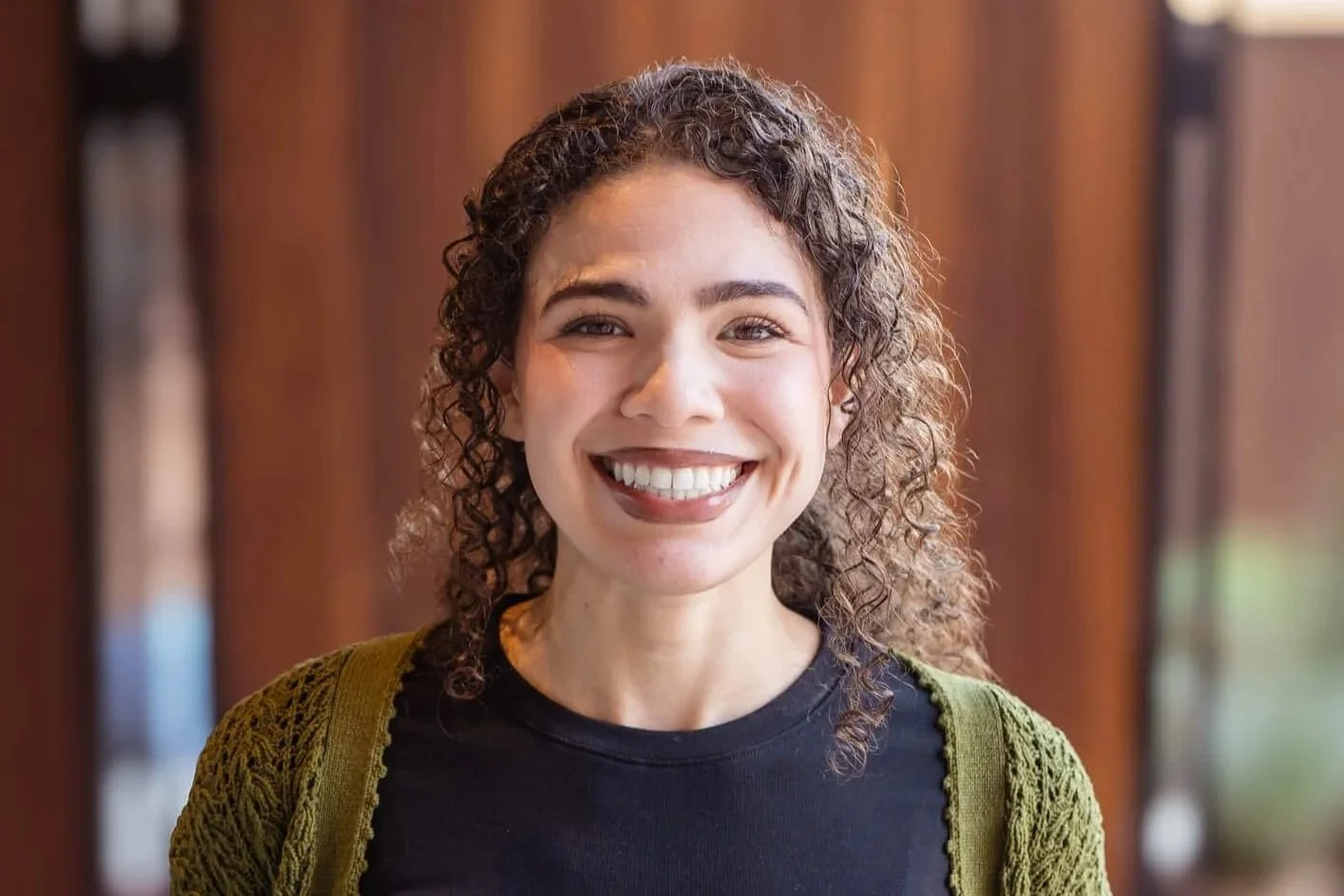
I believe that healing doesn’t happen in isolation—it happens in connection, in chosen family, in community, and in relationships that hold us when the world doesn’t.
Sometimes healing feels heavy, but other times it looks like a laugh you didn’t know you needed, a moment of quiet joy, or even silliness and play that remind you of your aliveness. I’m committed to creating spaces where all of these parts are welcomed and where you can feel safe, seen, and honored.
In our work together, I’m committed to co-creating a relationship that embraces and celebrates all parts of you and holds space for both the depth and nuance of your unique story. Many of the people I work with feel stuck in old patterns that once helped them survive but no longer feel like a fit. Together, we’ll get curious about those patterns, make room for the feelings underneath, and move toward more freedom, connection, and ease.
Madison Segarra, Graduate Student Intern
Madison is passionate about helping people make sense of their experiences and find meaning in the stories they carry.
She brings a blend of curiosity, authenticity, and heart to her work and is drawn to conversations about identity, relationships, healing, and personal growth. Madison believes that transformation rarely happens in a straight line—it is often messy, deeply human, and sometimes a little magical.
GET HELP NOW
If you are interested in therapy with Kindman & Co. and would like to learn more about the services we have to help you, follow these quick & easy steps:
Schedule a free 20-minute phone consultation with our Care Coordinator.
Get matched with the therapist who’s right for you.
Start feeling more supported and fulfilled in your life and relationships!
THERAPY AT KINDMAN & CO.
We are here for your diverse L.A. counseling needs. Our team of therapists provides lgbtqia+ affirmative therapy, couples therapy & premarital counseling, grief & loss counseling, group therapy, and more. We have specialists in trauma, women's issues, depression & anxiety, substance use, mindfulness & embodiment, and support for creatives. For therapists and practice owners, we also provide consultation and supervision services! We look forward to welcoming you for therapy in Highland Park and online.